
So, you’re looking for blinds that can really darken a room, but maybe you’re not sure if you need the full blackout treatment. That’s where room darkening blinds come in. They’re a popular choice for a reason, offering a good balance between blocking light and still letting a little bit of softness into your space. We’ll break down what they are, why they’re great, and when you might want to consider something even darker.
Key Takeaways
- Room darkening blinds block most light (95-99%), creating a dark room without being totally pitch black like blackout options.
- They’re great for creating a relaxing vibe during the day and improving sleep quality at night for most people.
- While they offer excellent privacy and light control, a small amount of light might still seep through, especially around the edges.
- For situations needing absolute darkness, like for shift workers or specific home theaters, blackout blinds or specialized solutions might be better.
- Choosing between room darkening and blackout depends on your specific needs, the room’s function, and how much light you’re comfortable with.
Understanding Room Darkening Blinds
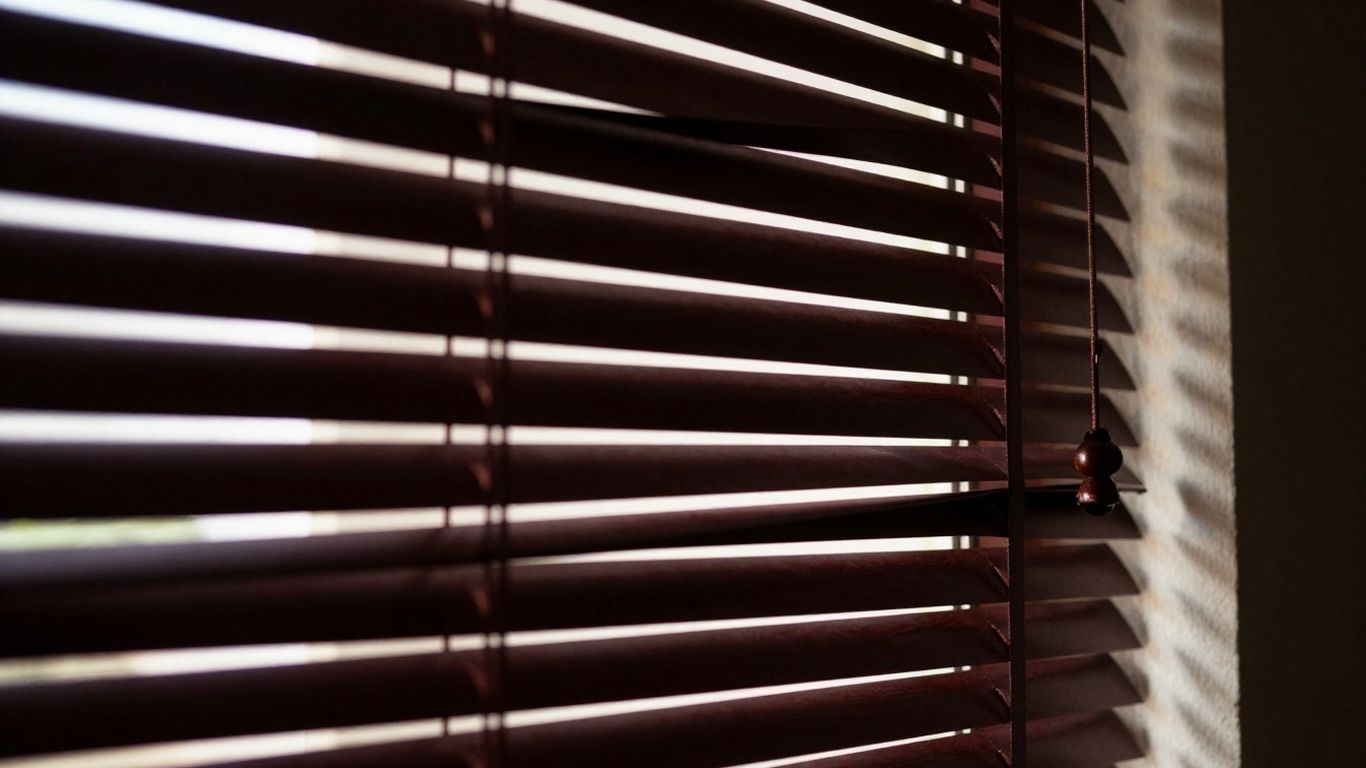
So, you’re looking into blinds that can make your room nice and dark, but maybe not pitch black. That’s where room darkening blinds come in. They’re a popular choice for a reason, offering a good balance for many people. Let’s break down what they actually do and why they might be just what you need.
Defining Room Darkening Versus Blackout
It’s easy to get these two terms mixed up, and honestly, sometimes even the companies selling them use them interchangeably. But there’s a difference, and it matters for what you’re trying to achieve. Room darkening blinds block most of the light, while blackout blinds aim to block nearly all of it. Think of it this way: room darkening shades let in a little bit of light, maybe a soft glow, especially around the edges. Blackout shades, on the other hand, are designed to be much more aggressive in their light-blocking capabilities. They often use special materials or construction to get as close to total darkness as possible. For most everyday uses, like watching a movie or getting a good night’s sleep, room darkening blinds are perfectly sufficient. However, if you’re a night shift worker or have a home theater where you want zero light bleed, you might need to look at blackout solutions.
The Nuances of Light Blocking
When we talk about "room darkening," we’re generally talking about blinds or shades that block somewhere in the ballpark of 95% to 99% of the light. This means that while the room will be significantly dimmer, you might still see a faint light passing through the fabric or around the edges. This isn’t necessarily a bad thing, though. For many, this slight light bleed is actually a benefit. It means you can still see well enough to move around the room without bumping into things, which is helpful for safety and convenience. Blackout blinds, in contrast, aim for that 100% blockage, but even they can’t always achieve absolute darkness due to small gaps where the blind meets the window frame.
Here’s a quick look at how they stack up:
| Type | Light Blockage | Light Around Edges | Best For |
|---|---|---|---|
| Room Darkening | 95-99% | Some | General sleep, movie watching, ambiance |
| Blackout | ~100% | Minimal | Total darkness needs, shift workers, nurseries |
Benefits Beyond Darkness
While the main draw of room darkening blinds is, well, darkening the room, they offer more than just that. They can really help create a cozy atmosphere, making a space feel more relaxed and inviting. This is great for winding down in the evening or just enjoying a quiet afternoon. Plus, by reducing the amount of light that enters, they can also help with privacy and even offer a bit of insulation, which might help a little with your energy bills. They’re a solid choice for adding comfort and style to your windows without going to the extreme of total blackout.
The key takeaway is that "room darkening" is a spectrum. It’s about significantly reducing light, not necessarily eliminating every single photon. This middle ground is often the sweet spot for many households, providing the benefits of reduced light without the potential drawbacks of complete darkness.
The Advantages of Room Darkening Blinds
So, you’re thinking about room darkening blinds, huh? They’re not quite blackout, but they do a pretty darn good job of making a room feel significantly darker. And honestly, for most people, that’s exactly what they need. Let’s break down why these blinds are such a popular choice.
Creating a Relaxing Ambiance
Sometimes, you just want to chill. Room darkening blinds are fantastic for setting a mood. Think about it: you’re winding down after a long day, and you want to create a cozy, calm space. These blinds help dim the outside world, making your room feel like a comfortable sanctuary. It’s not about total darkness, but more about a soft, diffused light that feels peaceful. This gentle light control is perfect for those evenings when you want to relax without feeling like you’re in a cave.
Enhancing Sleep Quality
Okay, so they aren’t blackout, but room darkening blinds can still make a big difference for your sleep. They block out a significant amount of light, which is super helpful if you’re sensitive to light when you sleep or if you just want to make your bedroom a bit more conducive to rest. Even a little less light can signal to your brain that it’s time to wind down. Plus, they help reduce glare, which is nice if you’re trying to catch some Z’s during the day or if you just hate waking up to harsh morning sun.
- Reduced Light Intrusion: Significantly cuts down on ambient light, making the room noticeably darker.
- Glare Reduction: Minimizes harsh sunlight, which can be disruptive to sleep and relaxation.
- Privacy Boost: Offers a good level of privacy, preventing people from seeing in from the outside.
Aesthetic Appeal and Light Filtration
This is where room darkening blinds really shine, pun intended. Unlike their blackout cousins, these blinds allow a bit of light to filter through. This subtle light play can actually make the fabric of the blinds look quite beautiful, giving your room a softer, more inviting feel. It’s a way to have a darker room without it feeling completely sealed off from the outside. You get that sense of coziness and control over the light, but the room still feels alive and connected to the day.
Room darkening blinds offer a sweet spot between full light and total darkness. They provide enough shade to create a comfortable atmosphere and improve sleep without making the room so dark that it’s difficult to move around.
Here’s a quick look at what they bring to the table:
- Mood Setting: Perfect for creating a relaxed vibe in living rooms or dens.
- Sleep Aid: Helps create a darker environment for better rest, especially for light sleepers.
- Light Control: Manages glare and softens harsh sunlight effectively.
- Privacy: Provides a solid layer of privacy from outside views.
- Visual Appeal: Allows for attractive light filtration that can highlight the texture of the blinds.
When Room Darkening Isn't Enough
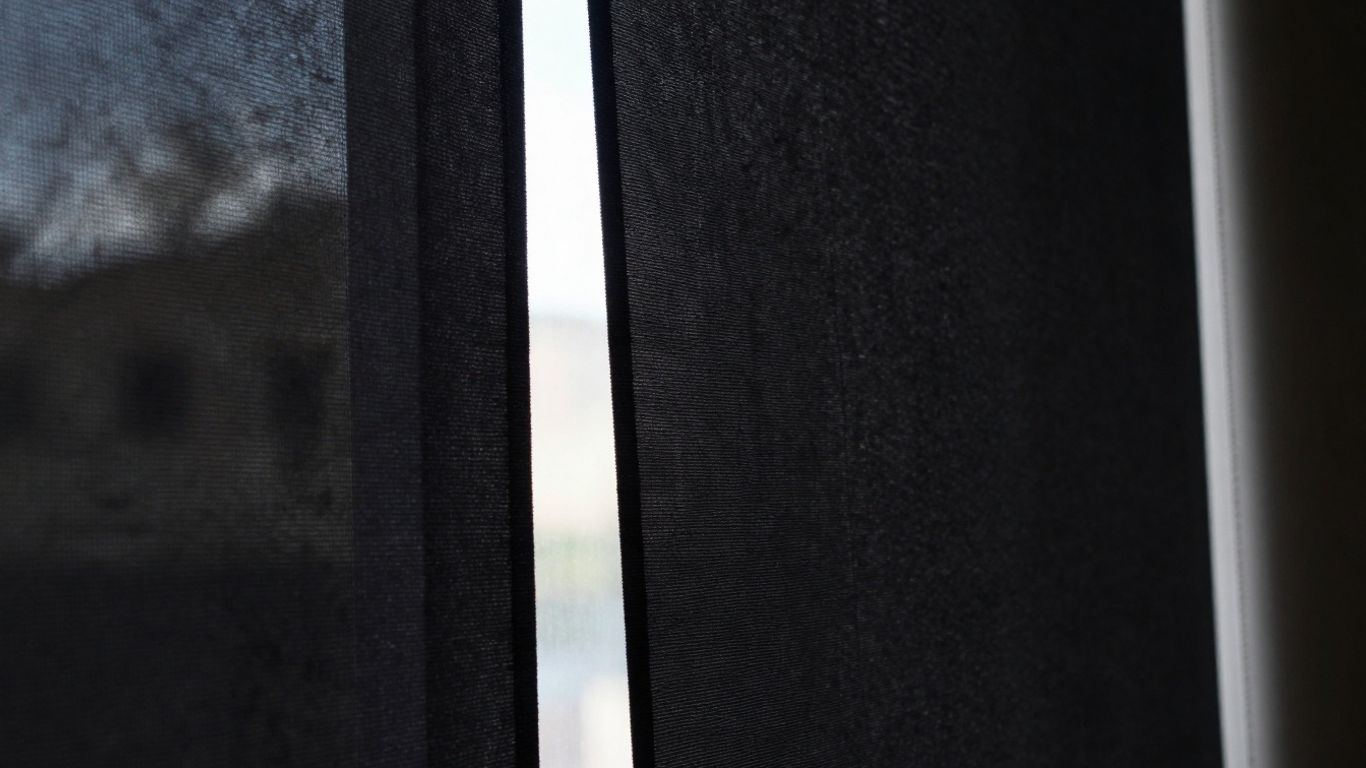
So, you’ve got room darkening blinds, and they’re doing a pretty good job. They cut down on glare, make movie nights better, and definitely help with sleep compared to bare windows. But sometimes, you might find yourself thinking, ‘Is this really dark enough?’ For some folks, the answer is a resounding ‘no.’ While room darkening blinds significantly reduce light, they aren’t designed to eliminate it entirely. A little bit of light can still sneak through, especially around the edges or if the fabric isn’t perfectly opaque. This is where the desire for something more, something darker, comes in.
The Case for Blackout Solutions
If you’re someone who needs absolute darkness to truly rest, or if you’re sensitive to even the slightest bit of light, then room darkening blinds might just fall short. Think about shift workers who need to sleep during the day, or people who are easily woken by morning light. For these individuals, even a faint glow can disrupt precious sleep. Blackout solutions are engineered to block virtually all light, creating a near-total absence of illumination. This level of darkness can be a game-changer for sleep quality and for creating specific environments, like a home theater where you want zero light pollution.
Achieving Near-Total Darkness
Getting to that truly dark state often means looking beyond standard room darkening. Blackout blinds and shades are the next step. They use specialized, denser fabrics or construction methods to prevent light from passing through. While room darkening blinds might let a sliver of light through the fabric itself, blackout versions aim to stop it cold. This is the kind of window treatment that can turn a bright afternoon into midnight, perfect for those who need to reset their sleep cycle or simply want the most immersive movie-watching experience possible. It’s about creating a controlled environment that’s completely separate from the outside world.
Addressing Light Seepage
Even with blackout blinds, a tiny bit of light can sometimes find its way in. This is often referred to as ‘light seepage’ and typically occurs around the edges of the window frame where the blind meets the wall. For most people, this is negligible, but for those seeking absolute darkness, it can be an issue. Solutions for this include:
- Specialized Side Channels: These channels attach to the window frame and the sides of the blind, creating a barrier that blocks light from entering along the edges.
- Overlap: Ensuring your blackout blinds are slightly wider and longer than the window opening can help minimize gaps.
- Layering: Sometimes, adding a secondary layer, like blackout curtains over your blackout blinds, can further seal off any remaining light sources. This combination can provide an incredible level of darkness, almost like a cave.
While room darkening blinds offer a significant reduction in light, they are not the same as blackout blinds. The distinction lies in the degree of light blockage. If your goal is to eliminate light almost entirely, you’ll need to consider blackout options and potentially additional measures to seal off any light leaks around the window frame. It’s about finding that perfect balance for your specific needs and tolerance for light.
Choosing the Right Level of Darkness
So, you’re looking at blinds and trying to figure out just how dark you really need your room to be. It’s not always as simple as "dark" or "not dark," is it? The key is matching the blind’s light-blocking ability to what you’ll actually be doing in the room. Think about it – a nursery might need a different kind of darkness than a home theater, and your own sleep habits play a big role too.
Assessing Your Specific Needs
When you’re trying to decide between room darkening and full blackout, ask yourself a few questions. Are you a night shift worker trying to sleep through the day? Or maybe you just want to cut down on glare when you’re watching TV? Perhaps you’re a new parent hoping to get your baby to sleep a little easier. Each of these situations calls for a different level of light control. It’s about figuring out what your daily life requires.
- Sleep Quality: Do you need absolute darkness to get your best rest, or is a slightly dimmed room enough? For some, even a sliver of light can be disruptive.
- Activity: What activities will take place in the room? Watching movies, working on a computer, or just relaxing can all have different light requirements.
- Personal Preference: Some people simply prefer a very dark environment, while others like a bit of ambient light, even when the blinds are closed.
Room Function and Desired Ambiance
Different rooms in your house serve different purposes, and that should guide your choice. For a living room where you might want to soften the afternoon sun but still feel connected to the outside, room darkening blinds are often perfect. They create a cozy vibe without making the space feel cave-like. But if you’re setting up a dedicated media room, you’ll probably want blackout blinds to get that true cinema experience, free from distracting light.
- Bedrooms: Often a toss-up. If you’re sensitive to light or have trouble sleeping, blackout might be the way to go. If you like waking up with a bit of natural light or prefer a softer, dimmer feel, room darkening works well.
- Home Offices: Reducing glare on computer screens is key. Room darkening blinds are usually sufficient here, making work more comfortable.
- Nurseries: Many parents opt for blackout blinds to help establish sleep routines, though some find a little light helps babies adjust more easily.
Balancing Darkness and Navigation
Here’s where things get interesting. While total darkness sounds great for sleep, it can be a real pain when you need to get around. Imagine stumbling around in the middle of the night trying to find the bathroom or a crying baby. That’s where the "not quite blackout, still really dark" aspect of room darkening blinds shines. They block out the harsh sun and create a peaceful environment, but usually leave enough ambient light to see where you’re going. It’s a practical middle ground for many.
It’s easy to get caught up in the idea of absolute darkness, but sometimes, a little bit of light is actually a good thing. It helps you maintain your bearings and prevents that disorienting feeling when you first open your eyes. Finding that sweet spot between complete darkness and a little bit of visibility is what makes a room truly functional and comfortable for your everyday life.
Maximizing Light Control with Room Darkening Blinds
So, you’ve decided room darkening blinds are the way to go. That’s great! They offer a nice balance for most situations. But how do you get the most out of them? It’s not just about closing them; a few smart moves can really make a difference in how dark your room gets.
Installation for Optimal Performance
First off, how you install your blinds matters. If there are big gaps around the edges, light’s going to sneak in, no matter how good the blind material is. For roller shades, making sure they’re mounted close to the window frame is key. If you’re using blinds with slats, like venetians, ensure they’re fully closed and angled upwards to direct light towards the ceiling, not into the room. It might seem like a small detail, but proper installation is the foundation for effective light blocking.
Layering for Enhanced Darkness
Sometimes, even the best room darkening blinds aren’t quite enough, especially if you’re sensitive to light or want a truly dim space for a movie. That’s where layering comes in. Think of it like adding an extra blanket on a cold night. You can pair your room darkening blinds with curtains. Heavy drapes, especially those with a darker lining, can significantly cut down on any light that might still be seeping through the blind itself. This combination gives you flexibility – use the blinds alone for a softer dimness, or close both for a much darker environment. It’s a smart way to get more control without needing to switch to full blackout options.
Considering Motorized Options
For ultimate convenience and precise control, motorized blinds are a game-changer. Imagine being able to adjust your blinds with a remote or even your smartphone. This is especially handy if you have hard-to-reach windows or just want to fine-tune the light level without getting up. Many systems allow you to set schedules, so your blinds can close automatically as the sun sets, helping you maintain that desired dim ambiance without any effort. It’s a modern solution for anyone looking to really dial in their light control.
Getting the most out of your window treatments often comes down to the details. Think about how the light enters your room and how you can best intercept it. Small adjustments in installation or adding a complementary layer can make a surprisingly big difference in achieving the darkness you want.
Room Darkening Blinds for Various Spaces
So, you’ve decided room darkening blinds are the way to go, but where do they fit best in your home? Honestly, they’re pretty versatile. They’re not just for bedrooms anymore. Let’s break down how these blinds can work wonders in different areas of your house.
Ideal for Living and Dining Areas
In spaces like your living room or dining room, room darkening blinds strike a great balance. You get enough light to comfortably read a book or chat with friends, but when it’s movie night or you just want a cozier vibe, they can significantly dim the room. They create a lovely, soft ambiance without making the space feel completely shut off. Think about watching a matinee movie without the sun glaring on the screen, or enjoying dinner with a more subdued, intimate lighting. They also help reduce glare on electronics, which is a nice bonus.
Suitable for Bedrooms and Offices
This is probably where most people think of using them, and for good reason. In a bedroom, they can help you get a better night’s sleep by blocking out streetlights or early morning sun. If you work from home, an office can benefit too. Preventing that harsh sunlight from hitting your computer screen makes a huge difference in comfort and productivity. For those who work shifts or just like to sleep in, these blinds are a game-changer. They offer a significant reduction in light, making it easier to rest during the day. You can find options like the VENETA Designer Blackout Cellular Shades that offer a Day & Night feature, combining different fabrics for varied light control needs.
Complementing Home Entertainment Spaces
For a dedicated home theater or media room, room darkening blinds are almost a must. While they aren’t blackout blinds, they do a fantastic job of reducing ambient light to a point where your movies and shows look their best. You won’t get that complete, pitch-black environment that true blackout shades provide, but for many, this is actually preferable. It means you can still easily find your way around the room without fumbling in the dark. They help minimize reflections on your screen, making for a more immersive viewing experience. If you’re aiming for a truly cinematic feel without absolute darkness, these are a solid choice. They’re a great way to control light without making the room feel sterile or overly cave-like.
So, What's the Verdict?
Look, when it comes down to it, choosing between room darkening and blackout blinds really just depends on what you need. If you want a room that’s just plain dark for sleeping or watching movies, room darkening shades are probably going to do the trick just fine. They block out a ton of light, but still let you see enough to get around without bumping into things. Blackout shades, though? They’re for when you need absolute, total darkness. Think shift workers, or maybe you just really, really hate any light creeping in. Both have their place, and honestly, the best choice is the one that makes your space feel right for you. Don’t sweat it too much; either way, you’re getting a much darker room than you had before.
Frequently Asked Questions
What's the difference between room darkening and blackout blinds?
Think of it like this: room darkening blinds block out most of the light, making a room really dim, but a little bit might still peek through. Blackout blinds are like superheroes for blocking light – they block almost all of it, creating a super dark space. So, room darkening is like a very dim room, and blackout is like nighttime even in the middle of the day.
Are room darkening blinds good for sleeping?
Yes, they definitely can be! Room darkening blinds help make your bedroom much darker, which signals to your body that it’s time to sleep. This can help you fall asleep faster and sleep more soundly. If you need it to be almost completely dark to sleep well, they are a great choice.
Can room darkening blinds block out sunlight completely?
While room darkening blinds do a fantastic job of blocking out a lot of light, they aren’t designed to block *every single bit*. You might still see a tiny bit of light around the edges, especially if the sun is shining directly. For almost total darkness, you might need to look at blackout blinds.
When should I choose blackout blinds instead of room darkening ones?
You should consider blackout blinds if you need the darkest possible room. This is great for movie rooms where you want zero glare, for people who work at night and sleep during the day, or for nurseries if you want to make sure the baby’s room is as dark as possible for naps. If even a little light bothers you when you’re trying to sleep, blackout is the way to go.
Do room darkening blinds help with privacy?
Absolutely! Room darkening blinds offer great privacy. Because they block so much light, people outside won’t be able to see into your home, especially at night when the lights are on inside. They’re a solid choice for keeping your personal space private.
Can I layer window treatments for even more darkness?
You sure can! Layering is a smart way to get the best of both worlds. You could have a room darkening blind and then add curtains over it. This gives you the option to have a nicely dimmed room or to block out even more light when you need to. It’s a flexible way to control the light in your home.